Best Health Insurance Plans for Senior Citizens in 2025
Comprehensive comparison of senior citizen health insurance plans to help you find the right coverage for yourself or your aging parents

Key Takeaways
- Look for plans with no or minimal waiting period for pre-existing conditions
- Prioritize coverage for common senior health issues like cardiac, diabetes, and joint problems
- Consider plans with higher room rent limits to avoid proportionate deductions
Why Senior Citizens Need Specialized Health Insurance
As we age, our healthcare needs change significantly. Senior citizens face higher risks of chronic conditions, require more frequent medical check-ups, and often need longer hospital stays. Regular health insurance plans may not adequately address these needs.
65%
of seniors have at least one chronic condition
3x
higher hospitalization rate than younger adults
₹5L+
average annual healthcare cost for 60+
What to Look for in Senior Citizen Health Insurance
1. Pre-Existing Disease (PED) Waiting Period
This is crucial for seniors as most have existing health conditions. Look for plans with:
- Shorter PED waiting periods (1-2 years vs standard 4 years)
- Some plans offer coverage from day 1 at higher premiums
2. Coverage Amount (Sum Insured)
Medical costs for seniors can be substantial. Recommended coverage:
- Age 60-70: Minimum ₹10-15 Lakh
- Age 70+: Minimum ₹15-25 Lakh
- With chronic conditions: ₹25 Lakh or higher
3. Disease-Specific Coverage
Ensure the plan covers conditions common in seniors:
- Cardiac conditions & bypass surgery
- Diabetes & related complications
- Joint replacement surgeries
- Cataract & eye conditions
- Kidney disorders & dialysis
- Cancer treatment coverage
Other Important Factors to Consider
Co-Payment Clause
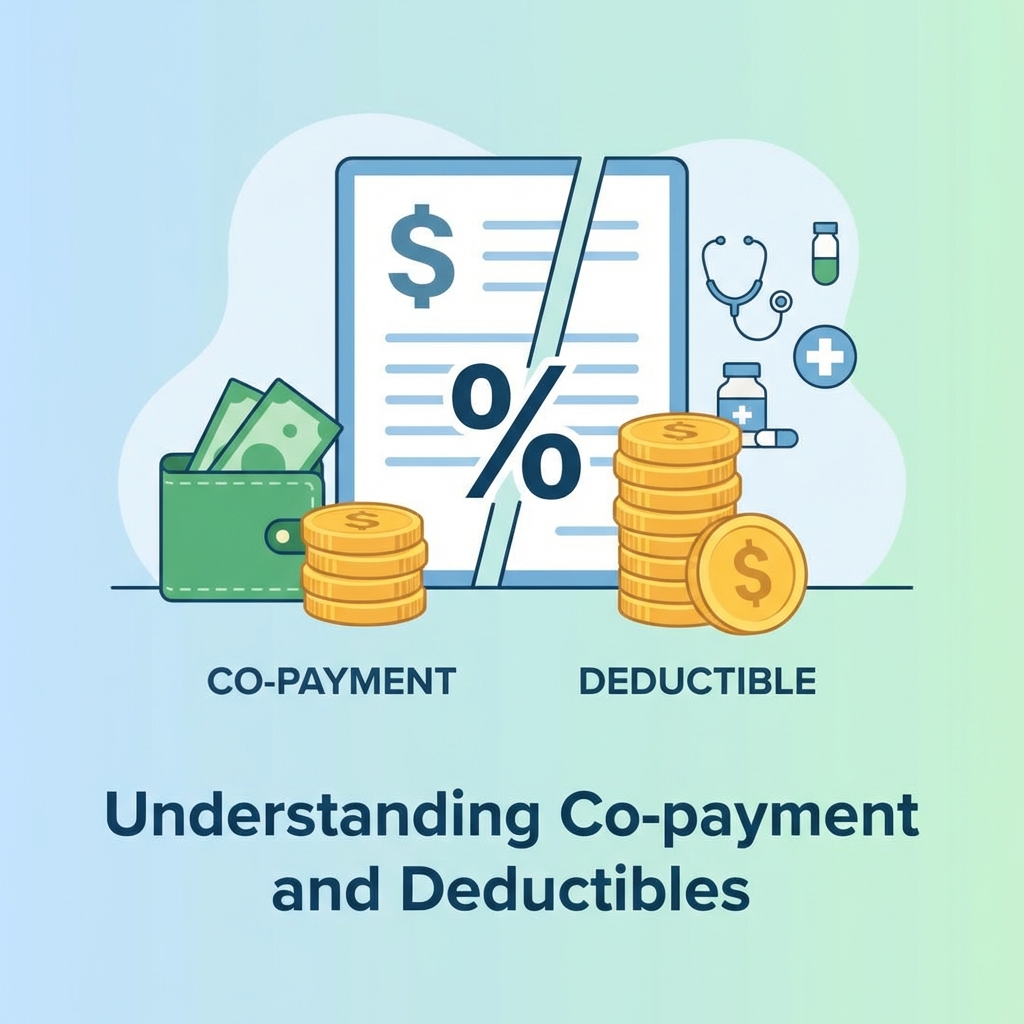
Many senior citizen plans have mandatory co-pay (10-30%). This means you pay a percentage of the claim.
Example: With 20% co-pay on a ₹5 Lakh bill, you pay ₹1 Lakh out of pocket.
Entry Age Limit
Check the maximum entry age and renewal terms:
- • Most plans: Entry up to age 65-70
- • Some plans: Entry up to age 80
- • Look for lifetime renewability
Network Hospitals
Cashless treatment is crucial for seniors. Verify:
- • Hospitals near your residence are in-network
- • Super-specialty hospitals are included
- • Easy cashless approval process
Domiciliary Treatment
Coverage for treatment at home is valuable for seniors who may not be able to travel to hospitals.
Tip: Look for plans that cover home healthcare and nursing care.
Red Flags to Watch Out For
- Sub-limits on specific diseases: Some plans cap payouts for certain conditions like knee replacement or cataract surgery
- High co-payment above age 70: Co-pay percentage may increase with age, making claims expensive
- Limited room rent coverage: Low room rent caps lead to proportionate deductions on entire claims
- No lifetime renewal: Some plans may refuse renewal after a major claim or at a certain age
Need Help Finding the Right Plan for Your Parents?
Our experts can help you compare senior citizen health plans and find the best coverage for your family
Quick Tips for Buying Senior Citizen Health Insurance
Buy early – premiums are lower and easier to get coverage before age 60
Disclose all pre-existing conditions honestly to avoid claim rejections
Consider a top-up or super top-up plan for additional coverage at lower cost
Check for free annual health check-up benefits included in the plan
Compare at least 3-4 plans before making a decision
Disclaimer
Insurance plans and their features are subject to change. Premium rates vary based on age, health conditions, and plan selected. Always read the policy document carefully and compare multiple plans before purchasing. This information is for educational purposes only.